

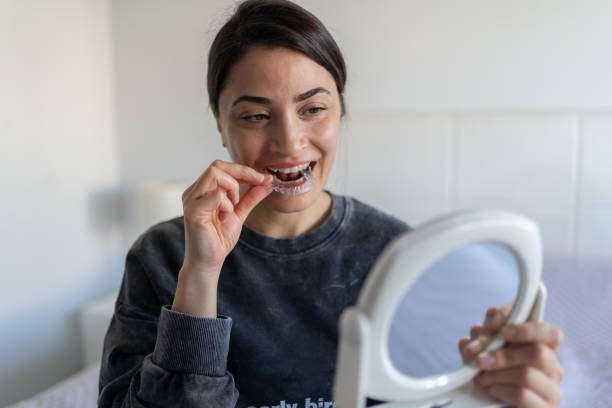
Many people wake up with sore jaws, worn-down teeth, or morning headaches and have no idea what is causing it. They do not realize that every single night, while they sleep, their teeth are being damaged by grinding and clenching.
Teeth grinding, called bruxism, is one of the most common and most overlooked dental problems. If you are experiencing morning jaw soreness, increasing tooth sensitivity, or headaches upon waking, finding a denture clinic near you that offers night guards can genuinely transform how you feel.
A custom night guard in Calgary is a simple but powerful solution that protects your teeth while you sleep—something over-the-counter options simply cannot do effectively.
What Is Teeth Grinding and Why Does It Happen?
Teeth grinding typically happens while you sleep—though it can occur during waking hours too. It happens unconsciously. Most people do not even know they are doing it.
The forces involved are significant. Normal chewing applies about 200 pounds of pressure. Grinding can apply three times that amount—creating damage that accumulates night after night.
Various things trigger grinding:
- Most commonly, stress and anxiety are responsible. Your jaw may clench unknowingly.
- Sleep-related disorders, including sleep apnea, influence the grinding patterns.
- Certain medications can increase grinding.
- Caffeine and alcohol consumption in the evening can trigger grinding.
- Misaligned teeth or bite problems create grinding patterns.
- Genetics play a role—grinding often runs in families.
Even if you understand what causes your grinding, stopping it consciously is nearly impossible. It happens while you sleep. This is why finding night guard benefits for oral health becomes so important.
How Custom Night Guards Work
Understanding how custom night guards work helps you see why a professional-quality guard matters so much.
A custom night guard is made from precise impressions of your teeth. A dentist at a denture clinic in Calgary creates a guard that fits your mouth exactly — not a generic device like store-bought options.
When you grind, your teeth grind against the guard instead of each other. The guard absorbs the force—protecting your natural teeth from damage.
Sleeping with a night guard for teeth protection feels different the first night or two, but most people adjust quickly. Within a few nights, wearing it becomes automatic — something you do not think about.
The guard stays in place throughout the night because it is custom-fitted. You do not have to worry about it shifting or coming loose.
Night Guard Benefits for Oral Health
The protective benefits are significant and well-documented.
Eliminates tooth-to-tooth grinding damage
Without a guard, your teeth grind directly against each other. Over time, this wears down enamel, flattens the chewing surfaces, and creates visible damage.
A guard eliminates this grinding damage entirely by providing a barrier between your upper and lower teeth.
Reduces jaw muscle tension and strain
Grinding puts constant stress on the jaw muscles. By morning, the muscles are fatigued. This leads to soreness, tension, and pain.
A night guard near you reduces jaw clenching, allowing the muscles to relax overnight. Most patients notice less morning jaw soreness within days.
Decreases or eliminates morning headaches
Many morning headaches result from jaw tension and grinding pressure. When grinding is prevented, these headaches often disappear entirely.
Protects expensive dental work
If you have crowns, veneers, bridges, or other dental work, grinding can damage them. A night guard protects these investments by preventing grinding damage.
Improves sleep quality
When your jaw is clenched, you are not sleeping as deeply. A guard allows your facial muscles to relax, improving sleep quality and how rested you feel in the morning.
Custom Guard Versus Store-Bought Options
Store-bought night guards don’t offer much protection. They do not fit exactly; they can move while sleeping, and they do not absorb grinding force properly.
A custom guard made by your dentist.
- Fits your mouth exactly
- Stays in place throughout the night
- Provides superior protection
- Lasts longer with proper care
- Costs far less than repairing grinding damage later
Caring for Your Night Guard
Proper care extends the life of your guard:
- Rinse it with cool water daily.
- Brush it gently with a soft toothbrush — do not use toothpaste.
- Soak it in a denture-cleaning solution overnight to keep it hygienic.
- Store it in a ventilated case.
- Bring it to dental appointments for assessment.
- Replace it as recommended — typically every three to five years.
Protect Your Teeth While You Sleep — Market Mall Denture Clinic Is Here for You
Teeth grinding is not something you have to live with. With the right protective device and professional guidance, you can stop the damage, eliminate the pain, and protect your teeth for years to come.
At Market Mall Denture Clinic, the team creates custom night guards designed specifically for your teeth and your grinding patterns. Book your night guard consultation with us today and take the first step toward protecting your smile and sleeping peacefully through the night.
Frequently Asked Questions
Q1: How do I know if I am grinding my teeth at night?
Common signs include morning jaw soreness, facial pain, worn-down teeth, increased sensitivity, chips or cracks in your teeth, and morning headaches—your dentist can also identify grinding damage during a regular checkup.
Q2: How long does a custom night guard last?
With proper care—rinsing daily and storing in a clean case—a custom night guard typically lasts three to five years before needing replacement due to normal wear and tear.
Q3: How long does it take to adjust to wearing a custom night guard?
Most people adjust within one to three nights—custom guards are designed to be comfortable, and many patients find that the reduction in jaw pain and morning discomfort makes them want to keep wearing it immediately.
Q4: Will a night guard change how I sleep or affect my breathing?
A properly fitted custom night guard should not interfere with sleep or breathing—it sits on your teeth and allows normal jaw movement and breathing throughout the night.